Stockholm's major museums are easiest to choose by the question you want answered. The Vasa Museum concentrates on one ship and the work required to understand it. Nationalmuseum spans art, craft and design. The Swedish History Museum builds long historical narratives from objects, while the Nobel Prize Museum starts with people and ideas. Moderna Museet is the strongest fit when modern and contemporary practice is the point.
This is not a ranking and it is not a one-day itinerary. It is a decision guide for selecting one main museum, then adding a second only when the subjects genuinely complement each other. Current displays can change, so use each institution's live exhibition page after choosing the collection that interests you.
At a glance
Start here
- Choose the Vasa Museum for a concentrated story built around a surviving ship.
- Choose Nationalmuseum to connect painting and sculpture with decorative arts and design.
- Choose the Swedish History Museum for archaeology and a long chronological view of Sweden.
- Use the Nobel Prize Museum for idea-led stories and Moderna Museet for modern and contemporary art.
01
Start with a question, not a famous name
A museum choice improves when it begins with an intellectual appetite. Do you want to examine one extraordinary object from many angles, follow social change across centuries, compare materials and styles, meet the consequences of discoveries, or see how artists challenged inherited forms? Those aims point to different institutions even when every option appears on a general must-see list.
Read the permanent-collection page before the events calendar. A temporary show may be attractive, but the underlying collection tells you whether the museum will still reward the visit if a gallery is changing over or a headline exhibition does not match your interests. This method also prevents a common error: selecting two large museums that tell essentially the same kind of story when contrast would make the day more memorable.
- One object investigated deeply: Vasa Museum.
- Art, craft and design across periods: Nationalmuseum.
- Archaeology and Swedish historical change: Swedish History Museum.
- Ideas, laureates and consequences: Nobel Prize Museum.
- Modern and contemporary practice: Moderna Museet.
02
Choose Vasa for depth around a single object
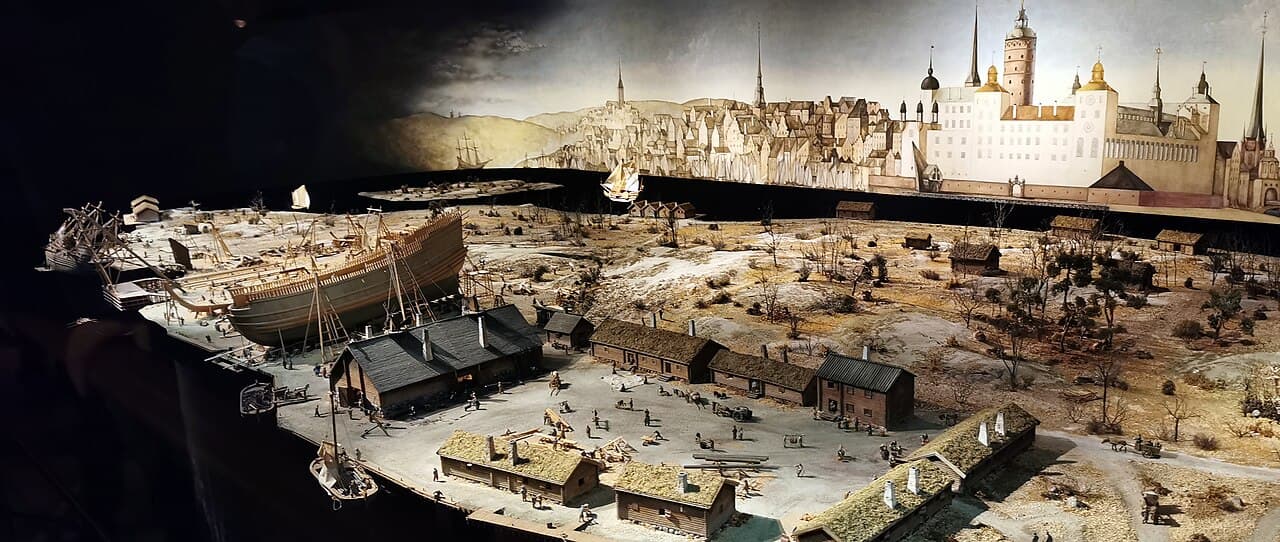
The Vasa Museum is not simply a room containing a large ship. Its own one-hour route connects the vessel to a scale model, the sinking, the salvage operation, life aboard, sculpture, armament and preservation. That structure suits visitors who like to return repeatedly to one material object while changing the question asked of it.
It is a particularly strong choice when engineering, maritime history, archaeology or conservation matters more than stylistic variety. The ship's physical presence carries the visit, but the surrounding interpretation supplies the human and technical context. Someone seeking many unrelated masterpieces may find the focus narrow; someone who values a coherent case study may find that concentration unusually satisfying.
- Follow the ship from construction and disaster to recovery and conservation.
- Use the scale model and thematic displays to interpret details that are difficult to read on the vessel itself.
- Allow attention for preservation, not only the dramatic sinking.
03
Choose Nationalmuseum for materials and traditions
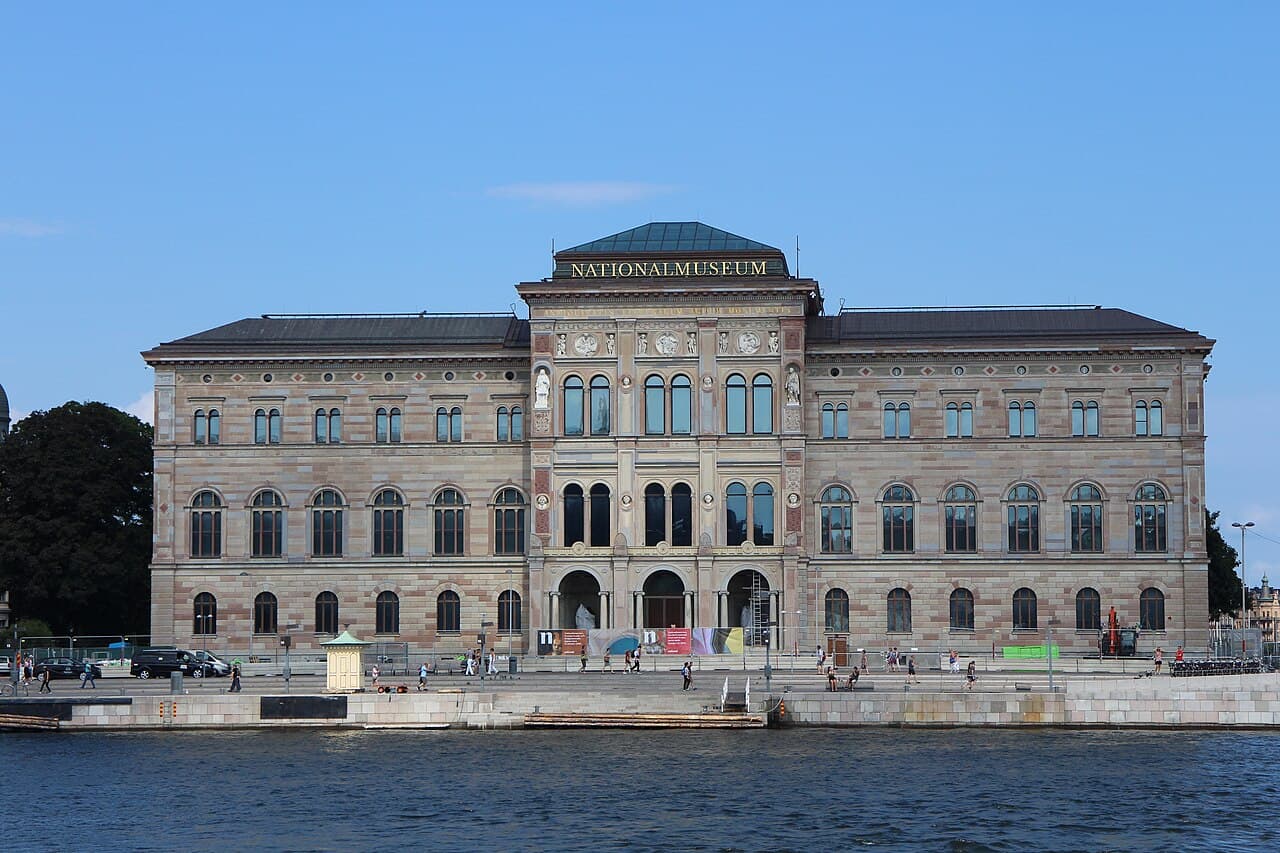
Nationalmuseum divides its collection into complementary fields. Painting and sculpture run from the Renaissance to around 1900; applied art and design extend from the fourteenth century to the present; prints and drawings form another substantial area. The useful distinction is breadth across both fine and applied arts, not a promise that every period or object will be on view at once.
Choose it when you want to compare how images, furnishings, crafted objects and designed products express changing tastes. This makes the museum a better fit than a painting-only expectation suggests. Before visiting, inspect the live display information if a particular artist or object is essential, because a collection's scope is broader than any single gallery arrangement.
- Look across categories rather than treating design as a side room.
- Compare the function of an object with its visual style.
- Verify any must-see work on the museum's current pages.
04
Choose Historiska for a long historical argument
The Swedish History Museum's current exhibition overview covers prehistory, the Viking world, medieval art and life, the Gold Room and a broader history of Sweden. That range supports a visit built around continuity and rupture: how belief, power, exchange, conflict and daily life can be read through surviving objects across a very long span.
This is the strongest option here for visitors who want archaeology to do explanatory work. Instead of isolating one spectacular find, move between displays asking what evidence survives, whose life becomes visible and how an exhibition links an object to a larger claim. Temporary archaeology displays may change; the durable reason to choose the museum is its chronological and material approach.
- Use chronology to notice both continuities and breaks.
- Ask what an object can prove and what remains interpretation.
- Check the current exhibition list rather than depending on an old floor plan.
05
Choose the Nobel museum for ideas and consequences
The Nobel Prize Museum approaches history through laureates, discoveries, literature and peace work. Its permanent exhibition, These Things Changed the World, is framed around objects and ideas associated with Nobel-recognised achievements. That makes it less a comprehensive history of science or politics than a focused inquiry into how particular work is narrated and remembered.
Choose it when discussion matters more than visual scale. A useful visit asks not only what was discovered, but why an idea mattered, how consequences unfolded and how personal objects shape a public story. The museum also runs changing exhibitions, so confirm the current programme if one subject is decisive. The permanent premise remains the safer basis for choosing it.
- Treat personal objects as entry points rather than complete explanations.
- Look for connections among science, literature and peace.
- Use the current programme to refine, not replace, the basic choice.
06
Choose Moderna Museet for art after tradition shifts
Moderna Museet collects Swedish, Nordic and international modern and contemporary art, with works across painting, sculpture, photography, film, video and other media. Its collection page emphasises both established twentieth-century holdings and an active relationship with contemporary work. That remit makes medium, experiment and the changing definition of art central to the visit.
Choose it if you are comfortable with works that may require time, context or disagreement. The collection is not limited to a tidy sequence of movements, and only part can be displayed. Read the current exhibition pages after confirming that the modern-contemporary lens appeals to you. A visitor principally seeking older craft or national chronology should choose a different main museum rather than expecting Moderna to supply it.
- Expect multiple media, not only paintings.
- Leave room for works that reward context rather than immediate recognition.
- Confirm the current display because the collection is much larger than the galleries.
07
Pair two museums only when the comparison helps
A useful pairing creates a question that continues across institutions. Vasa and Historiska can contrast an intensely documented seventeenth-century object with a broader archaeological chronology. Nationalmuseum and Moderna Museet can expose the boundary between older art and design traditions and later experimentation. The Nobel Prize Museum can work beside either history or art when your interest is how institutions construct public memory.
Do not force a pair merely because two museums are geographically convenient. Large collections produce decision fatigue, and travel time is only one cost; attention is another. Select one anchor, identify two or three themes to follow, and add a second venue only if it answers a different part of the same question. Then check live exhibition status, entry arrangements and any gallery notices directly with both museums.
- Name the comparison before committing to a second museum.
- Give the anchor venue the larger share of your attention.
- Confirm current displays independently for each institution.
Useful answers
Reader questions
Which Stockholm museum is best for maritime history?
The Vasa Museum offers the most concentrated maritime choice in this group. Its interpretation follows the ship through sinking, recovery, life aboard and preservation, so the visit is deeper than viewing the vessel alone.
Sources: Vasa MuseumShould I choose Nationalmuseum or Moderna Museet?
Choose Nationalmuseum for painting and sculpture through about 1900 alongside applied arts and design across a longer period. Choose Moderna Museet when modern and contemporary art, including photography, film and video, is the stronger interest.
Sources: Nationalmuseum; Moderna MuseetDoes the Swedish History Museum cover only Vikings?
No. Its official exhibition overview also includes prehistory, medieval life and art, the Gold Room and a wider history of Sweden. The Viking material is one part of a much longer chronological story.
Sources: Swedish History MuseumCan I rely on the same exhibitions being available?
No static guide should promise that. Collection remits are durable, but individual displays, loans and temporary exhibitions change. Use this guide to choose the institution, then confirm the live programme on its official page.
Sources: Nationalmuseum; Swedish History Museum; Nobel Prize Museum; Moderna MuseetRead the evidence
Sources and further reading
These sources support the relevant sections above. Plans and comparisons are editorial suggestions. Check operators for current arrangements.
- Vasa in one hour ↗Vasa Museum · Accessed 14 September 2026
The museum's official one-hour interpretive route, including the ship, sinking, salvage, life aboard, sculpture and preservation.
- The collections ↗Nationalmuseum · Accessed 14 September 2026
Collection divisions and date ranges for painting, sculpture, applied art, design, prints and drawings.
- Exhibitions ↗Swedish History Museum · Accessed 14 September 2026
The museum's current exhibition areas, including prehistory, Vikings, medieval material, the Gold Room and Swedish history.
- Exhibitions ↗Nobel Prize Museum · Accessed 14 September 2026
The permanent exhibition's idea-led premise and the existence of a changing exhibition programme.
- The collection ↗Moderna Museet · Accessed 14 September 2026
Modern and contemporary collection scope, geographic emphasis and range of artistic media.